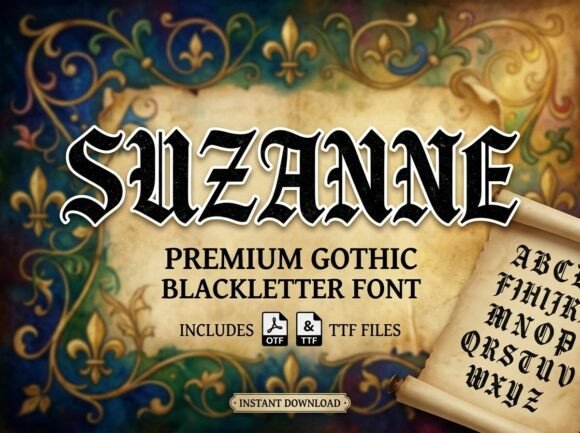
Suzanne: A Bold and Artistic Font for Creative Minds
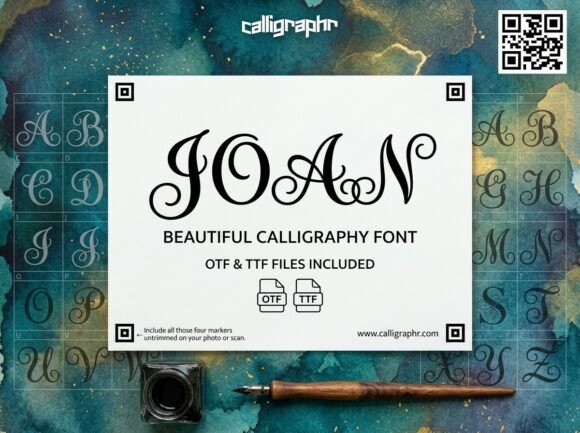
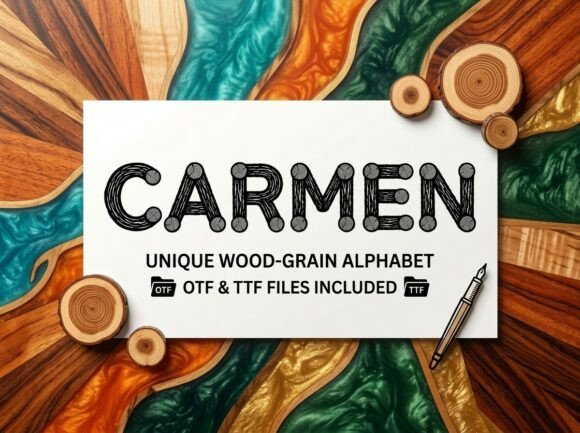
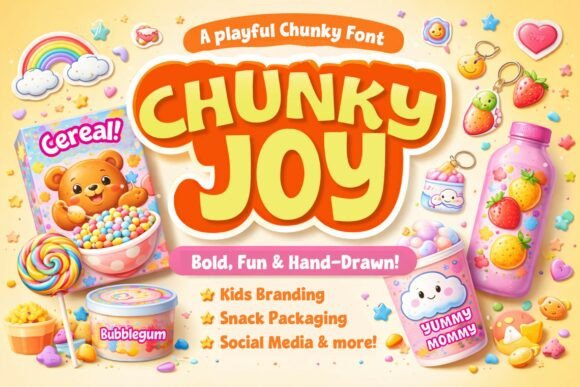
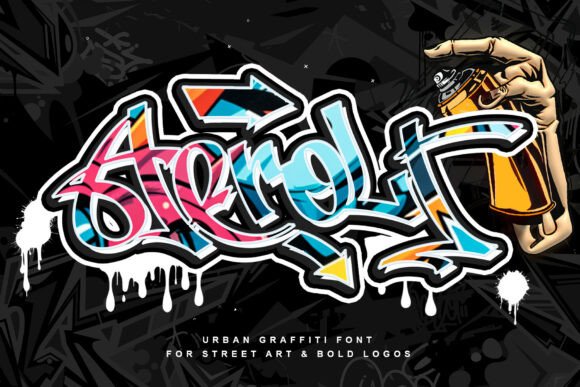
Suzanne is a striking decorative display font that stands out with its unique artistic elements and strong visual personality. Designed to be the center of attention, this font is perfect for creators who want to break away from the ordinary. Whether you're designing bold headlines, artistic logos, or creative packaging, Suzanne offers a versatile and polished finish.
Why Choose Suzanne?
Suzanne is not just any font; it's a statement. Its distinctive design makes it ideal for high-impact projects where every letter needs to be a work of art. The font comes in two file formats: OTF (OpenType Font) and TTF (TrueType Font), ensuring compatibility across all devices and professional design software.
Common Mistakes When Using Suzanne
While Suzanne is a powerful tool, there are some common mistakes that can affect the quality and effectiveness of your designs. Here’s what to watch out for:
Mistake 1: Overusing the Font
One of the most frequent errors is overusing Suzanne. This font is meant to be the star of the show, but using it too extensively can overwhelm your design. Limit its use to key elements like headlines and logos to maintain a balanced and professional look.
Mistake 2: Ignoring the All-Caps Nature
Suzanne is an ALL-CAPS Uppercase Only display typeface. It does not include lowercase letters. Some designers overlook this and try to use it for body text, which can lead to a cluttered and unprofessional appearance. Use Suzanne for high-impact, short texts where each letter can shine.
Mistake 3: Not Considering Context
Every font has its ideal context. Suzanne, with its bold and artistic nature, may not be suitable for all types of projects. For instance, it might not be the best choice for a formal business document. Consider the tone and purpose of your project before deciding to use Suzanne.
Avoiding These Mistakes
Here are some practical tips to help you avoid these common pitfalls and make the most of Suzanne:
- Balance Your Design: Use Suzanne sparingly and balance it with more neutral fonts for body text. This will create a harmonious and visually appealing layout.
- Understand the Font's Purpose: Remember that Suzanne is designed for high-impact, short texts. Use it for headlines, logos, and decorative initials where it can truly stand out.
- Match the Tone: Ensure that Suzanne aligns with the overall tone and style of your project. If the project requires a more formal or subtle approach, consider other fonts that better fit the context.
What to Check Before Using Suzanne
Before you start using Suzanne, here are a few things to check to ensure you get the best results:
- File Compatibility: Make sure your design software supports OTF and TTF files. Most modern design tools do, but it's always good to double-check.
- Project Requirements: Consider the specific requirements of your project. Is it a print design, a digital banner, or a logo? Suzanne's bold and artistic style might be perfect for some but not for others.
- Font Licensing: Always check the licensing terms to ensure you have the right to use the font for your intended purpose. Some fonts have restrictions on commercial use.
Conclusion
Suzanne is a stunning and versatile font that can add a unique and artistic touch to your designs. By avoiding common mistakes and following the practical advice outlined above, you can ensure that your projects stand out for all the right reasons. Whether you’re a beginner or a seasoned designer, Suzanne offers a powerful way to make a bold statement. Just remember to use it wisely and creatively!