Heard Font: Evaluating Suitability for Decorative Display Projects
Selecting the right typeface is a critical decision in visual communication, particularly when the goal is to establish a distinct brand identity or capture immediate attention. Heard is a decorative display font designed specifically for high-impact applications where standard typography may fall short. Characterized by unique artistic elements and a strong visual personality, this typeface serves as a specialized tool for designers seeking to break away from conventional aesthetics. However, its distinctive nature requires careful evaluation to ensure it aligns with specific project requirements. Understanding the functional parameters, technical specifications, and appropriate use cases of Heard is essential for making an informed purchasing decision.
Defining the Visual Character of Heard
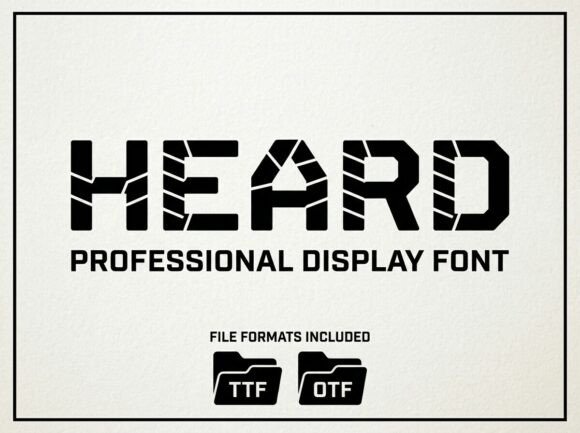
Heard falls squarely within the category of decorative display typefaces. Unlike text fonts designed for extended reading, display fonts are engineered to perform at large sizes and short durations. Heard distinguishes itself through artistic flourishes and a bold structural presence that demands center stage. The design prioritizes visual interest over neutrality, making every letterform a deliberate stylistic choice rather than a utilitarian vessel for information.
The font’s primary function is to serve as a focal point. In design hierarchy, Heard operates best as the primary element, suitable for headlines, logos, and packaging where the type itself contributes significantly to the overall mood. Its aesthetic suggests creativity and confidence, moving beyond safe, generic sans-serifs or traditional serifs. For creators evaluating this font, it is important to recognize that Heard is not a background player; it is intended to define the tone of the entire composition.
Technical Specifications and File Formats
When integrating Heard into a professional workflow, understanding the included file formats ensures compatibility across various software and devices. The purchase includes two industry-standard formats:
- OTF (OpenType Font): This is generally the preferred format for professional design and layout software such as Adobe Illustrator, InDesign, and Affinity Designer. OpenType files often support advanced typographic features and offer superior rendering on modern operating systems.
- TTF (TrueType Font): This format provides universal compatibility. It is the standard choice for users working in Microsoft Office, older versions of design software, or web environments where OTF support may be inconsistent. TTF ensures that the font remains accessible across different platforms and devices.
Having both formats available eliminates technical friction during the design process, allowing for seamless transitions between concept development in professional tools and client presentations in standard office suites.
Critical Consideration: Uppercase-Only Design
The most significant factor to evaluate before acquiring Heard is its character set limitation. This font is an ALL-CAPS uppercase-only display typeface. It does not include lowercase letters. This is not a defect but a deliberate design constraint intended to maintain visual consistency and impact.
This limitation has practical implications for workflow and application. Designers cannot use Heard for sentence case, title case, or body copy. Attempting to force this typeface into mixed-case settings will result in formatting errors or a disjointed visual experience. Consequently, Heard is strictly reserved for specific typographic roles:
- High-impact headlines and subheads
- Logotypes and wordmarks
- Decorative initials and drop caps
- Short phrases on merchandise or packaging
If a project requires versatile casing or extended readability, Heard will not suffice as a standalone solution. It must be paired with a complementary text font that handles lowercase characters and longer passages. Recognizing this constraint early prevents mismatched expectations and ensures the font is deployed only where its uppercase-only nature enhances rather than hinders the design.
Ideal Use Cases and Strategic Fit
Heard performs optimally in scenarios where visual differentiation is paramount. Its strong personality makes it particularly effective for brands and projects that need to signal creativity, boldness, or artistic intent. Situations where Heard is likely to be a strong fit include:
Brand Identity and Logo Design
For brands positioning themselves as innovative or expressive, Heard offers a ready-made visual voice. The unique letterforms can reduce the need for extensive custom modification in logotype design, providing a polished finish that still feels bespoke. Because it is all-caps, it naturally suits abbreviations, acronyms, and short brand names.
Editorial and Poster Design
In editorial layouts, event posters, or social media graphics, Heard functions as an anchor. Its decorative qualities allow it to carry significant visual weight without requiring additional graphic elements. This can streamline the design process by letting the typography do the heavy lifting in establishing atmosphere.
Packaging and Merchandise
Product packaging often relies on shelf appeal, where legibility at a distance and instant recognition are key. Heard’s bold, artistic structure translates well to physical products, labels, and apparel, where the text serves as a primary decorative element.
Evaluating Alternatives and Tradeoffs
While Heard excels in decorative contexts, objective evaluation requires acknowledging situations where alternatives may be more appropriate. The tradeoff for its distinctive style is reduced versatility.
Readability vs. Style: If the primary goal is conveying complex information quickly, a cleaner sans-serif or serif may be superior. Heard’s artistic elements, while visually engaging, can slow down reading speed. It should never be used for instructions, disclaimers, or body text.
Brand Tone Alignment: Heard possesses a specific personality. For corporate, legal, medical, or conservative financial brands, this level of decoration may communicate playfulness or informality that conflicts with brand values. In such cases, a more restrained geometric or humanist typeface would better convey trust and stability.
Mixed-Case Requirements: If a project demands flexibility in capitalization for grammatical correctness or stylistic variation, an uppercase-only font introduces unnecessary limitations. Designers should verify their copy requirements before selection. If lowercase is non-negotiable, exploring alternative display fonts with full character sets is the prudent course of action.
Making the Final Decision
Determining whether Heard is the right investment involves matching its specific attributes to project needs. It is a specialized instrument, not a general-purpose tool. The decision framework should center on three questions:
- Does the project require a high-impact, decorative headline or logo treatment?
- Is the uppercase-only constraint acceptable for all intended applications?
- Does the artistic personality of Heard align with the desired brand tone or project mood?
If the answer to all three is affirmative, Heard represents a valuable asset that delivers professional polish and distinctive character. The inclusion of both OTF and TTF files further supports its utility in diverse workflows. However, if any answer is negative, the search should continue. Effective typography selection is less about finding the most attractive font and more about identifying the typeface whose functional parameters and aesthetic qualities precisely match the communicative goals of the project. By approaching Heard with this evaluative mindset, designers can confidently leverage its strengths while avoiding common pitfalls associated with decorative display typefaces.