Momot Font: Bold Decorative Display Typography
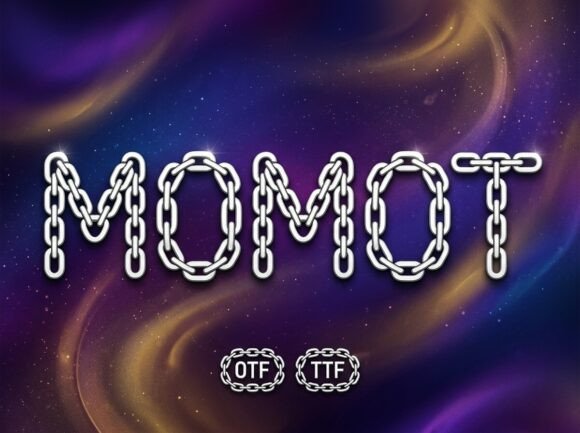
In the crowded landscape of digital design, capturing immediate attention is often the difference between a project that succeeds and one that scrolls past unnoticed. Momot is a stunning decorative display font engineered specifically to serve as the visual anchor of your creative work. Unlike standard sans-serif or serif typefaces designed for extended reading, Momot possesses a strong visual personality and unique artistic elements that demand focus. It is not merely a tool for displaying text; it is a graphic element in its own right, perfect for creators, marketers, and entrepreneurs who need to break away from ordinary typography to establish a distinct brand identity.
This typeface bridges the gap between raw artistic expression and professional polish. While many decorative fonts sacrifice legibility for style, Momot maintains a structured finish that ensures your message remains clear even at large scales. Whether you are designing a boutique wine label, a festival poster, or a social media campaign, understanding how to leverage this specific typeface can elevate your work from generic to memorable.
Understanding the All-Caps Architecture
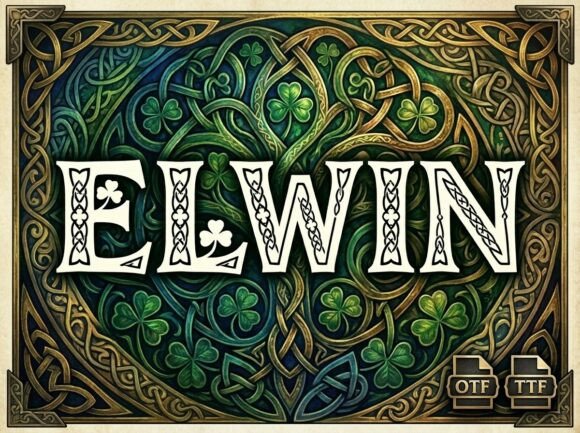
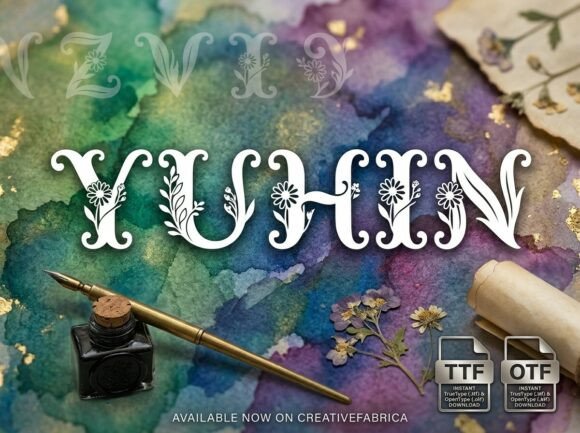
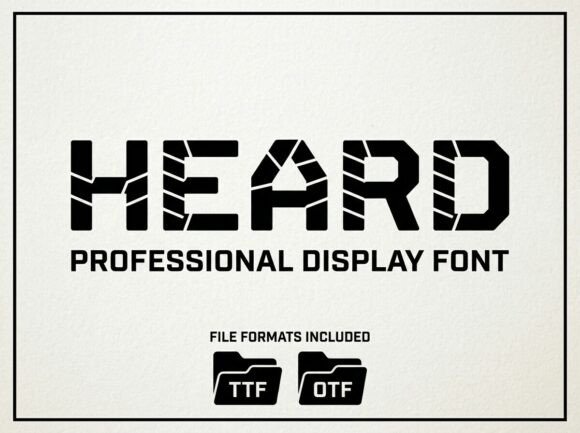
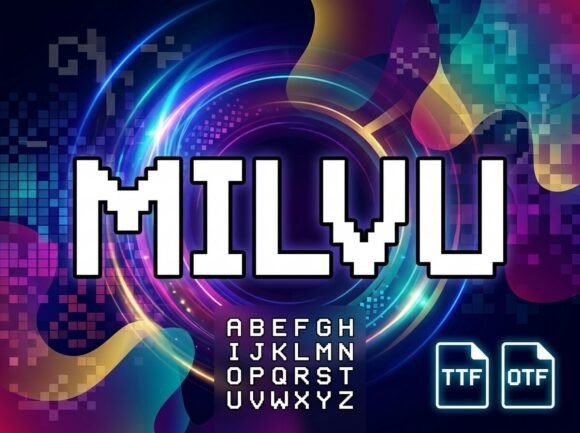
Before integrating Momot into your workflow, it is vital to understand its structural constraints and advantages. This font is an ALL-CAPS Uppercase Only display typeface. It does not include lowercase letters. This is not a limitation but a deliberate design choice intended to maximize impact. In typography, all-caps settings create a uniform rectangular texture that conveys authority, stability, and modernity.
Because every character shares the same vertical height, Momot creates a solid block of color and form. This makes it exceptionally effective for:
- High-Impact Headlines: Where the goal is instant recognition rather than narrative flow.
- Decorative Initials: Using single characters as standalone graphical assets in layouts.
- Logotypes: Creating wordmarks where letter-to-letter spacing creates a cohesive shape.
- Packaging Fronts: Ensuring product names stand out on shelves against competing visuals.
Designers should avoid using Momot for body copy, captions, or long-form content. Its intricate details and uniform capitalization will cause eye fatigue in small sizes. Instead, treat it as the "hero" element of your layout, pairing it with clean, neutral sans-serifs or simple serifs for supporting information. This contrast establishes a clear visual hierarchy, guiding the viewer’s eye exactly where you want it to go.
Practical Applications Across Industries
Momot’s versatility extends across various sectors, provided it is applied with intention. Different audiences respond to different typographic cues, and this font adapts well when styled correctly.
Branding and Identity Design
For freelancers and agency designers building brand identities, Momot offers a shortcut to distinctiveness. In logo design, the unique artistic elements of each glyph reduce the need for additional iconography. A wordmark set in Momot can function as both text and symbol. When designing business cards or stationery, use the font sparingly—perhaps only for the company name or a tagline—to maintain a premium feel. Overusing a decorative display font in branding can dilute its power; restraint ensures the typeface retains its sophistication.
Editorial and Publishing
Publishers and bloggers can utilize Momot to transform standard articles into visual experiences. Use it for pull quotes, chapter titles, or magazine covers. In digital publishing, ensure that the font renders crisply on screens by testing various weights and sizes. Because it is uppercase only, pay close attention to tracking (letter-spacing). Tighter tracking creates a dense, bold texture suitable for modern editorial spreads, while wider tracking evokes luxury and elegance. Experimenting with these micro-adjustments allows the same font file to serve multiple aesthetic purposes within a single publication.
Product Packaging and Merchandise
Small business owners and product designers will find Momot particularly useful for packaging. On physical products, texture matters. The strong visual personality of this typeface translates beautifully to embossing, foil stamping, and screen printing. For artisanal goods, cosmetics, or limited-edition releases, the font communicates craftsmanship. When designing labels, ensure there is sufficient negative space around the Momot text. Crowding a decorative font against other elements reduces legibility and cheapens the perceived value of the product.
Technical Specifications and File Formats
Professional results require professional tools. Momot is delivered with industry-standard file formats to ensure compatibility across all major design platforms and operating systems.
- OTF (OpenType Font): This is the preferred format for advanced design and layout software like Adobe Illustrator, InDesign, and Affinity Designer. OpenType files support advanced typographic features and generally offer better rendering for print and high-resolution digital work. If you are working in a professional environment, always prioritize the OTF file.
- TTF (TrueType Font): This format provides universal compatibility. It is ideal for Microsoft Office applications, older design software, or web embedding scenarios where OTF support might be inconsistent. TTF ensures that your mockups and presentations look consistent regardless of the device or platform used to view them.
Having both formats included means you can maintain visual consistency from the initial concept sketch in Illustrator to the final client presentation in PowerPoint or Keynote. This flexibility is essential for freelancers and educators who may need to demonstrate font usage across different technical environments.
Best Practices for Effective Implementation
To get the most out of Momot without compromising usability, follow these practical guidelines grounded in typographic principles.
Master the Spacing: Since Momot is all-caps, default spacing may not suit every context. Display fonts often benefit from tighter tracking in large headlines to unify the word shape, but require looser tracking at smaller sizes to prevent letters from visually colliding. Always adjust spacing optically rather than relying solely on software defaults.
Color and Contrast: The intricate details of Momot can get lost in low-contrast combinations. Avoid placing light gray Momot text on a white background. Opt for high-contrast pairings like deep navy on cream, black on white, or metallic gold on charcoal. If using the font over photography, apply a subtle drop shadow or overlay to ensure the artistic letterforms remain distinct from the background image.
Contextual Balance: Let Momot breathe. A common mistake is filling every available space with decorative type. Use whitespace strategically to frame the text. The silence around the font amplifies its voice. If your design feels chaotic, remove elements until Momot stands alone as the primary focal point.
Audience Alignment: Consider who is viewing the work. While Momot is versatile, its artistic nature leans towards creative, premium, or expressive brands. It may not be the best choice for highly regulated industries like finance or healthcare where traditional trust signals are paramount. However, for lifestyle brands, entertainment, education, and retail, it strikes the perfect balance of creativity and professionalism.
Elevating Creative Projects with Intention
Typography is more than selecting a pretty font; it is about solving communication problems through form. Momot provides a robust solution for projects requiring immediate visual engagement. By respecting its all-caps nature, utilizing the correct file formats, and applying thoughtful spacing and pairing strategies, you can harness its full potential.
Whether you are a hobbyist exploring new styles or a seasoned art director refining a campaign, this typeface offers a reliable foundation for bold expression. It encourages you to think of letters as images and words as textures. In a digital ecosystem saturated with safe, interchangeable typefaces, choosing Momot is a declaration of intent. It signals that your project values aesthetics as much as function, and that you are willing to invest in typography that truly speaks to your audience. Use it boldly, use it correctly, and let the design do the heavy lifting.